Proclamation of Peace 2016
Historical Archive:
Proclamation of Peace 2016
Thy year of our Lord, Two Thousand and Sixteen, on this Twenty Third day of November, hereby declareth this Nation and this Kingdom, Isles of Antonia, of rightful inheritance forthright of this Proclamation of Peace, amongst the Nations and Kingdoms of former as it came to pass.
We inhabitants of, hath been handed a stone which is set for a pillar. Let us rise and build thy foundation of our stature. Let us take on thy duty before us. Allow us to take heed with our eyes thy Anointment bestowed upon us.
Thy will to achieve victory is given thy sword into thy people. For God so created this land, created the sea, creator of thy heavens and of thy earth so for us to cherish this place in all of our days.
We see thy courage of our generation and knowledge of thereafter. Generation upon generation shall this be an embarkation of strength and fortitude.
We shall persevere, set thy Watchmen, for in times of great storm, calamity, and affliction shall it be that we possess the aptitude to triumph greatly and to continue to move forward.
With our hands be diligent for these are the Islands of good trade, the Islands of hope, the Islands of charity. Let us give praise, for this day is a mark of salvation for thy past, present, and thy future.
Allow thy world to hear thy voice of thine people in righteousness and fellowship. For these Islands and her territories were once discovered in the midst of the sea and in the wilderness only to be rediscovered once more.
This day forth, our Nation grants safe passage to all who rightfully and willfully come to uphold thine very light granted unto us, citizens of her, Isles of Antonia.
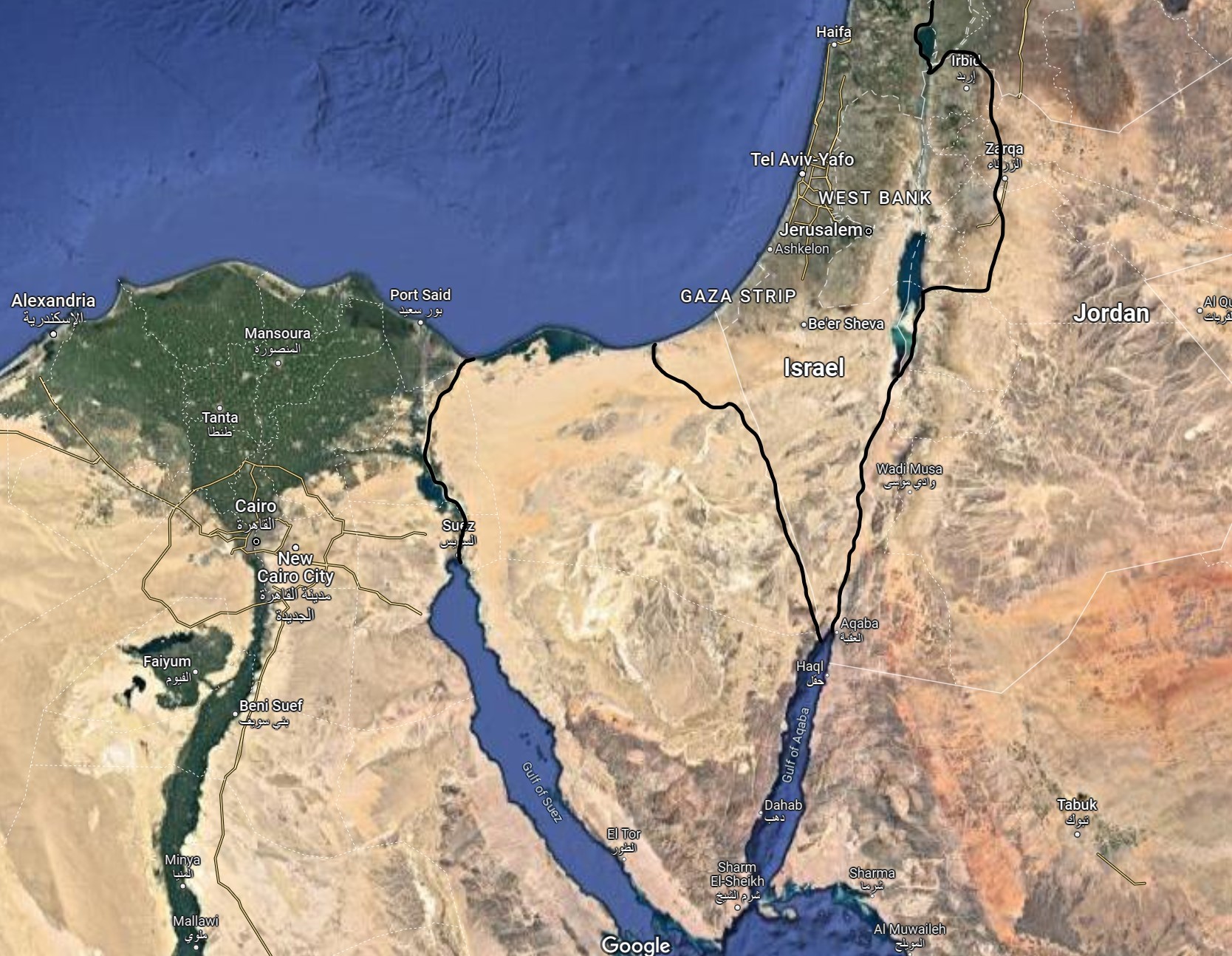
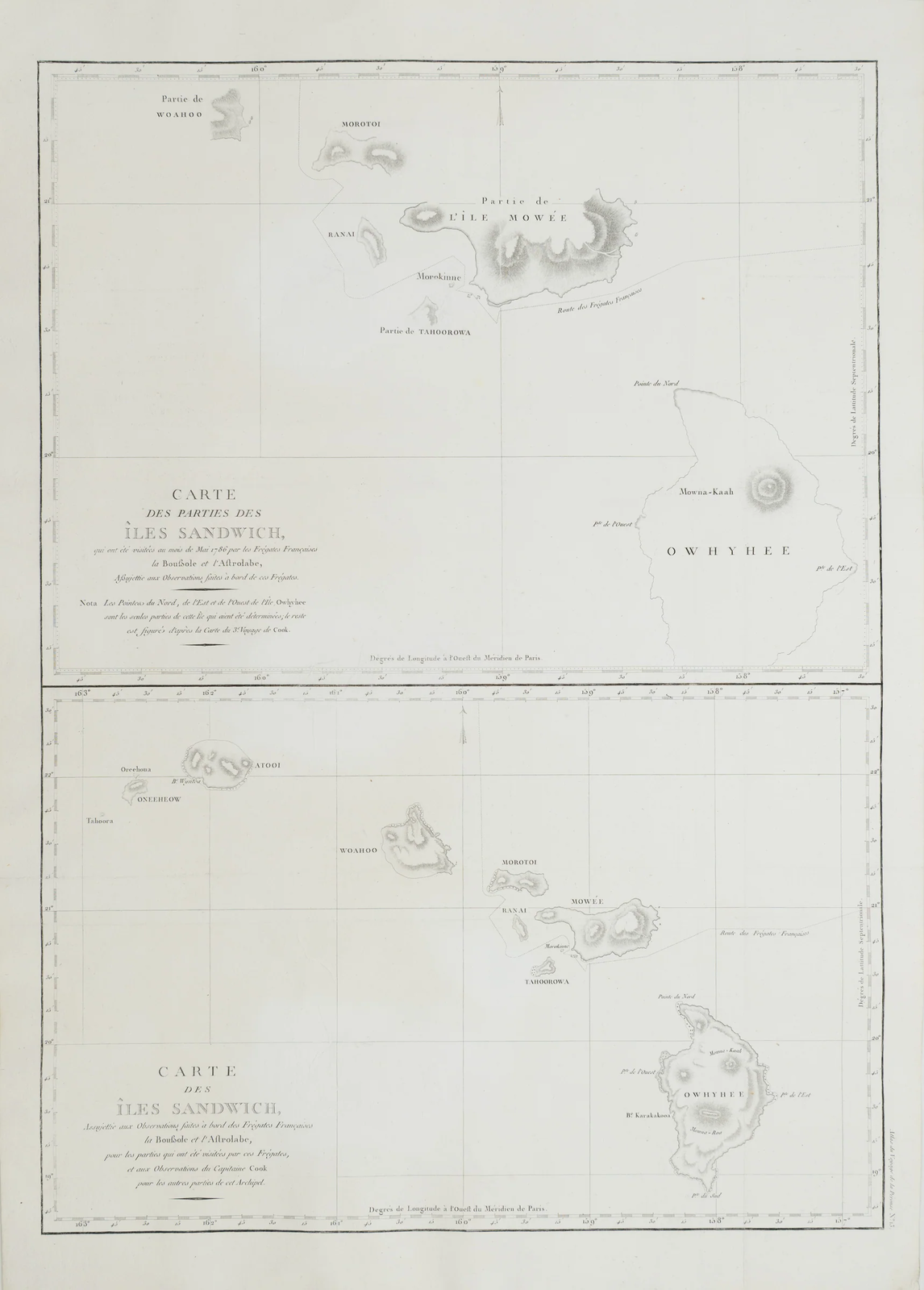
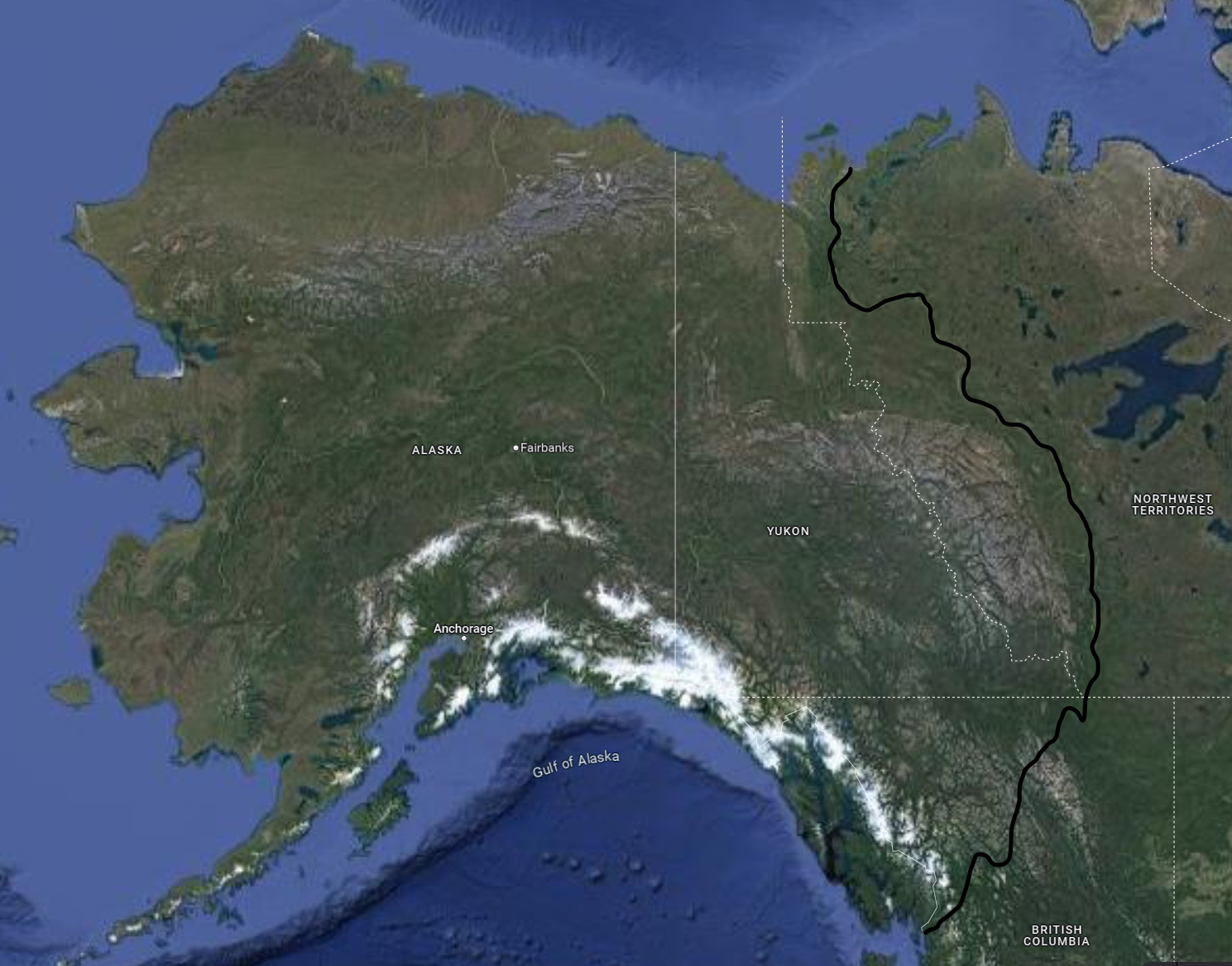
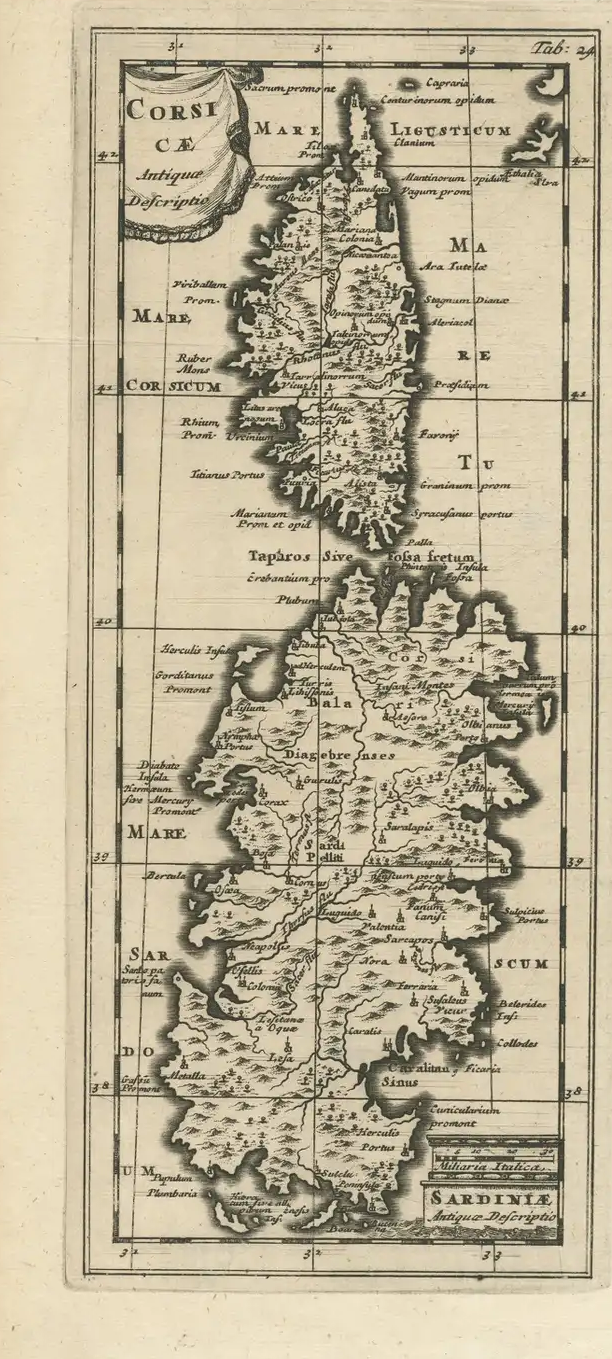
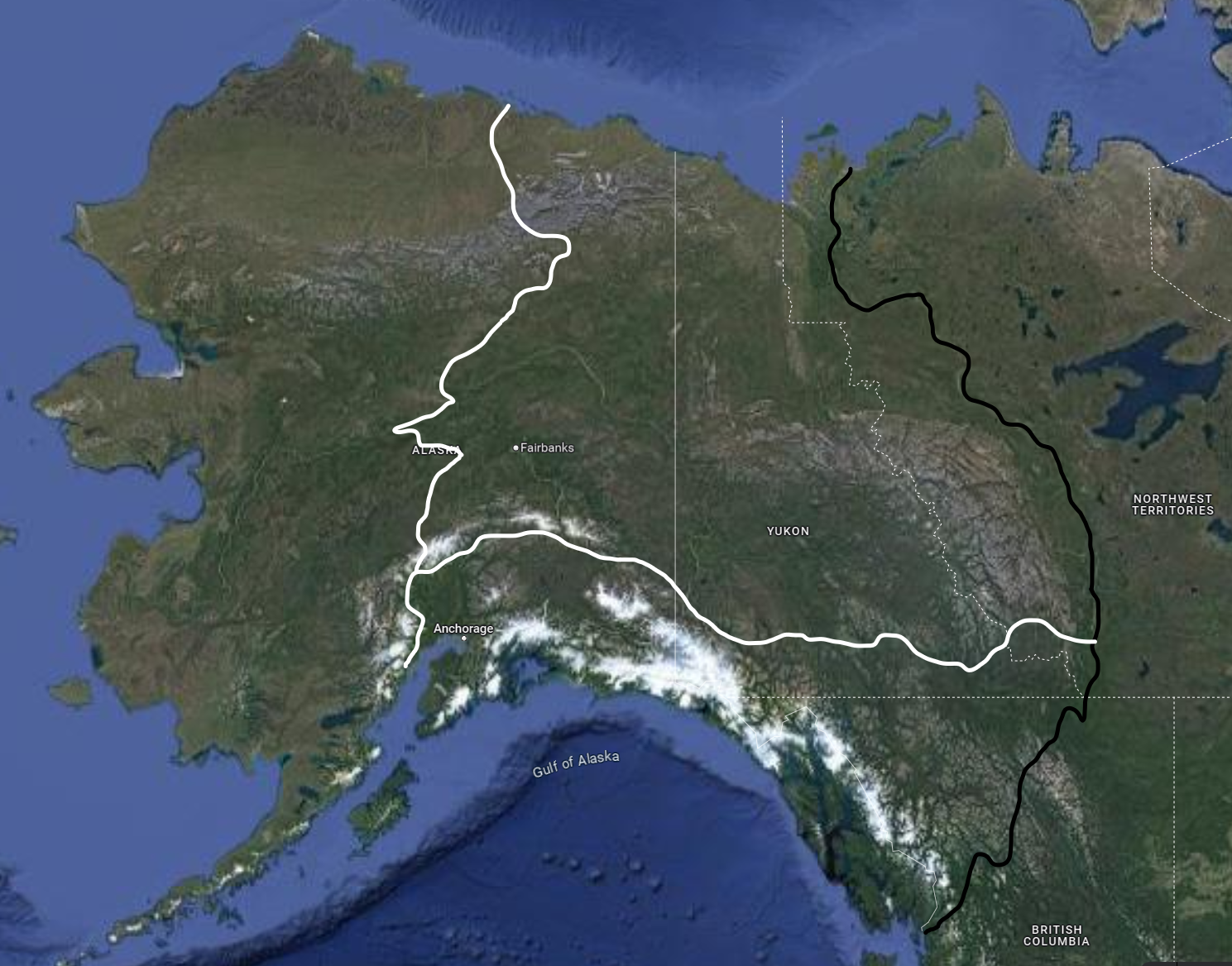
This Proclamation of Peace is now cordially indoctrinated as thy establishment of inheritance of former Hawaiian Islands hereto, and her territorial Provinces of former Alaska, the Island of Corsica, and the Island of Sardegna.
By and through the approval of the Prince of the Isles of Antonia, sealed unto which shall not be broken, hereby Proclaims inheritance and Peace of Isles of Antonia and her territories on this Twenty Third day of November, In the year of our Lord, Two Thousand and Sixteen.
Antonio
First Laws - Articles of the Constitution
First Laws - Articles of the Constitution
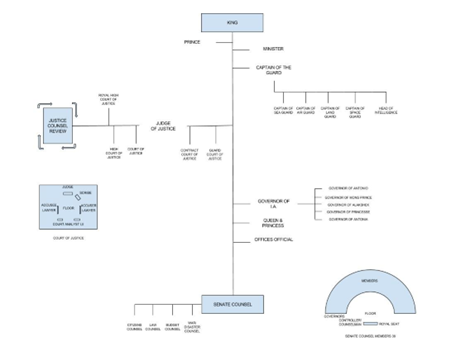
We believe with faithfulness, Isles of Antonia, hath established under the law of Constitutional Monarchy, that there is only one Kingdom in governance of her seas and of her lands. And that she is forthwith honest, righteous, patient, full of hope, and lasting with great endurance. A Senate Counsel is enacted for the people in the order of, to review efforts, to make sound decisions of opinion, and to passeth to the King by and through the more than half part election of Senate Counsel representation. Moreover shall thou delivereth to the Royal King, an amount equal to one tenth part governance shall be given. The inherit King serves final rule on all matters cometh forth thine Kingdom. And if the people of the land bring ware of torture, it shall be an abomination upon the evil doers. And it came to pass that the law of the land hath not abide in such wickedness. Now each man shall be called upon to carry his sword. He shall act at the officiated appointed time. Thy will and right to protect life is governed the law of liberty, for the people. Religious protection is afforded to all. Thy Government so founded upon Christianity belief and will uphold Christianity with thy will of God amongst his chosen. The law of the land, the statutes, and the ordinances shall be observed, that which is set forth and written for all. It is our inherent right and duty to help our neighbors in times of need. And not all understanding can be given through a Government body alone, but through God. Drunkenness, riots, protests, and railing do not stand forth under law. Orderly conduct shall and will be established by rule in times of great calamity and need. Therefore we justly say a city in corruption shall be restored under the rule of law. Now citizenship is granted to all who willfully seek to abide by the principles and laws of thine Government. God, Kingdom, and the Citizens of Isles of Antonia are the divine calling upon the land. And the anointment hath been given of God in the creation of thy said Government authority of which all shall be subject to. And local taxes shall and by will be collected at a rate set by law, to improve upon and to afford abilities to the people. Trade taxes shall be collected at a rate set by law, to improve upon and to afford abilities of a world trade network. Furthermore a Declaration of Warfare tax shall be collected at a rate of three one hundredths, to improve upon conflict resolution. Now thy defense of thine Kingdom calls for thy Government to be slowly moved upon by which an unwelcome force does persecute, does persuade, and does corrupt the values and beliefs of the citizens and governing bodies thereof. In times of conflict, any life taketh away shall be given to rest. And property destroyeth shall be remade. And behold the Royal Family is protected by the citizens of the Kingdom, above the law that is governed by and through rule of thou appointed King. And the Ministry hath an office to oversee the works thereof. And to see that all bestow availability to the Ministry. For the Kingdom doth serve God. All people are so protected by the law that each Accusee shall stand trial in the Court of Justice to receiveth a white stone or a black stone. Then a trial must commence at an appointed time and shalt not pass one year of Accusee detainment by which accusation of a high level crime hath committed. The poor and needy accused shall be granted cost reduction of lawyer dues if chooses not by self representation of matters under criminal law. Trial shall be hidden from public sight and so witnessed by one appointed witness. Sufficient evidence must be provided unto the Court of Justice to determine a verdict. And the burden of proof weighs heavily in the hands of the Accuser. Furthermore no law or statute of law shall vary in all the lands established. And the punishment of death by hanging shall be given in specific high level crimes upon a total witness black stone verdict. And it shall be heard, He that despises the law shall die without mercy. Behold the King giveth election of appointment to Minister, to seven Authoritative Captains of Guard, to Judge of Justice, to six Governors, to two Authoritative Senate Counsel. He that provideth good works. And the King giveth the election of appointment to Head of Intelligence, to Offices Official, to that which provideth good works. Finally the King giveth the election of appointment to Secretary of Guard. She that provideth good works. And the Trade amongst the lands and amongst the sea that so surroundeth shall be governed by the law of good Trade within thine Kingdom and amongst Nations and Kingdoms of good Trade. Now conservation efforts shall be the duty of all to that which taketh in need shall also restore what hath been taken of thy sea, of thy land, of thy air, and of thy space. We believe in protecting her in longevity to pass on to the generations cometh forth. Now hereto before leaders of Nations and leaders of Kingdoms a seat hath been provided of voiceful opinion that to which the voice shall be header amongst Nations of Nations and Kingdoms of Kingdoms, of a Counsel of World Leaders. In times of great calamity is a time of great suffering and a time of great endurance. And rations, shelter, and protection shall be given in orderliness of need. Moreover in these times of great hardship bring forth the sick and wounded as we believe to prevail. The boundaries set forth in governance and sealed which is written. And by the borders from the east unto the west side. And from the north side unto the south side. We proclaim Isles of Antonia of Capital City Antonio, of Antonia Island, of Princess Island, of Rose Island, of Vulcan Island, of Oahu Island, of Malika Island. And Provincial Territory One of Alakshak. And Provincial Territory Two of Antonio. And Provincial Territory Three of Princeps Mons. And Provincial Territory Four of Princesse. And Provincial Territory Five of Antonia. And three Longitude Territory by three Latitude Territory that exists over the celestial body of the Moon. And it shall come to pass that the knowledge and understanding be told unto this generation. It shall be given to thy sons and to thy daughters of next generation so as to be passed wisdom and righteousness furthermore. For health of the people is to uphold and promote longevity of life throughout. Peacemakers are the blessed of the world that undo suffering and bestow peace upon it. Let it be the multitudes gather under thine flag by which thine Kingdom is of. By our creator hath he so giveth thy very gift of creation of continuance of thine blood line. A gift by all measures of life shall cometh, God willing. Now a brother, fellow citizen that cometh forth with petition hath much right to do so in accordance to the law. Set forth the principles of thou governing body shall passeth the petition to Senate Counsel. Furthermore acceptance of petition in continuance to the Throne. In time the decision shall be given by way of the five that is written to acceptance, to declinare, to refusare, to rejectus, to repudiatus. The sanctity of marriage is coveted in the sight of our almighty God. And the laws thereof exalted by him. According to the word of the Lord, that which is manifested unto us as it is written. These laws set forth are hereby contained and upheld in Ordinance of Marriage.
Let no man addeth or taketh away all that is written hereto. Let the glory and grace of God be amongst us. And the Peace be with you all.
Thine Constitution was written to which hereby is sealed unto and shalt not be broken. In the end of days thine Kingdom hath been created by the will of God and sealed by the King that seats at the Throne. That thine Kingdom shall and will exist by and through the power of the almighty God who hath anointed her be until this world shall come to pass and that all things shall perish. Signed into existence in the year of our Lord and savior Christ Jesus, Two Thousand and Sixteen.

Antonio I
2nd Laws - Orders of the King
2nd Laws - Orders of the King
Orders of Thou King
King Antonio I
-
Antonio was _ and _ years when he began to reign. Anointed King in the _ month over the inherited lands of the Kingdom of Antonio. And by appointment as King of Monarchy Rule.
-
Proclaimeth in Peace, Isles of Antonia of kingdom Antonia by fortress Antonia under rule of prince, hath been by the will of God, unsealed, the Kingdom of Antonio.
-
A prince that leaveth thine land inherited shall also leaveth his crown.
-
Thy prince to reign in the stead of thou king hath been chosen by the king. And it shall come to pass that the son of the king shall reign in his stead.
-
Thine kingdom by the will of God in earth as it is in heaven, speaketh the word of God for generations.
3rd Laws - Orders of the Guard
3rd Laws - Orders of the Guard
3rd Laws – Orders of the Antonites
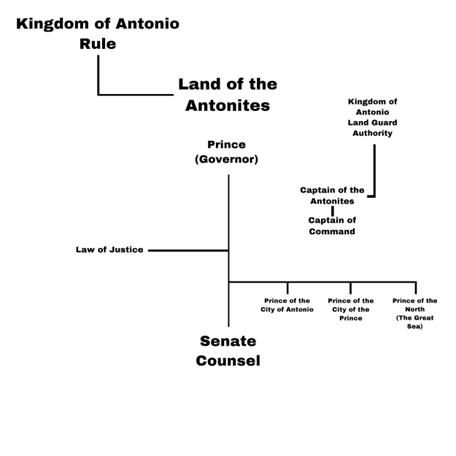
Thy number of Antonites shall be numbered of the sons of Antonio of all generations. These are the families of Antonio according to those that were numbered of them, __________; These are the numbered of the children of Antonio, ____________.
Servile of the Antonites as footmen, by order of the guard of the Kingdom of Antonio;
Service of the Guard of the Kingdom of Antonio as ordered.
Service of gate keepers of the temple by order of travel.
Officer Command
C-3 CAPTAIN OF COMMAND IN TRAINING
C-2 CAPTAIN OF SPACE GUARD
C-2 CAPTAIN OF LAND GUARD
C-1 CAPTAIN OF SEA GUARD COMMAND
C-1 CAPTAIN OF AIR GUARD COMMAND
C-1 CAPTAIN OF SPACE GUARD COMMAND
C-1 CAPTAIN OF LAND GUARD COMMAND
▲ Officer Upper Rank Selection
OL-5 OFFICER OF LEADERSHIP
OL-4 OFFICER OF LEADERSHIP
OL-1 OFFICER OF SKILLS IN TRAINING
▲ Officer Duty Assignment - Completion of Academy Training Degree Requirements
▲ Entry Level Academy / University Degree Program
Guardsmen Rank [Non-Officer]
G-5 GUARDSMAN OF LEADERSHIP III
G-4 GUARDSMAN OF LEADERSHIP II
G-3 GUARDSMAN OF LEADERSHIP I
G-2 GUARDSMAN OF SPECIALTY
G-1 GUARDSMAN IN TRAINING
Enacted only by the King in Declared War or by Order of the King
M-3 Mission Support Specialist
M-2 Ground Supervisor / Training Specialist
M-1 Combat Arms Specialist / Technician