Foundation
Warrior Princess Foundation
Support Foundations
Research
Warrior Princess Foundation Research
Foundations Research
Aġviq
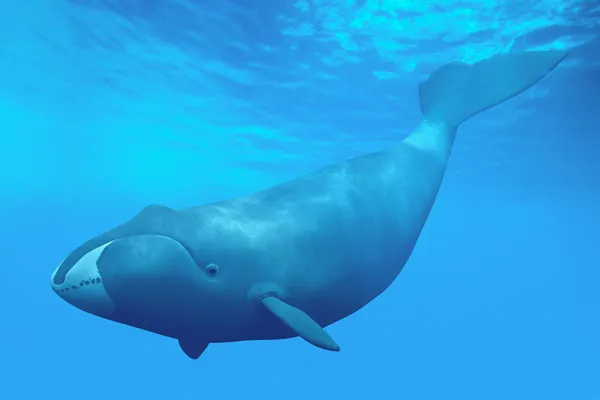
In the Iñupiat language of Northern Alakshek, the word for the bowhead whale is aġviq
Bowhead Whale: An Arctic-adapted species with an extremely thick blubber layer and a skull strong enough to break sea ice. A Bowhead Whale can live up to 200+ years.
Aġviq Foundation
Warrior Princess Support Foundation
Oceanic Microplastics & The Textile Industry
23 Million Metric Tons of Petroleum Based (Non Biodegradable) Plastics enter the Ocean primarily by Rivers and Streams (80/100) with a majority of plastic (94/100) that sinks to the bottom of the ocean. Plastic breaks down by sunlight and wave motion into fine particles known as microplastics.
The fish consumed today contain traces of toxic chemicals of microplastics. The entire aquatic life cycle and chain is affected.
Blue Whales: Ingest an estimated 10 million pieces daily (up to 95 pounds or 43.5 kg of plastic).
Fin Whales: Consume between 3 million and 10 million pieces daily.
Humpback Whales: Swallow up to 1 million to 4 million pieces daily depending on whether they feed on krill or fish.
Foraging Depth: Most feeding happens at 50 to 250 meters deep, which matches the highest concentrations of microplastics in the water column.
Microplastics Worldwide
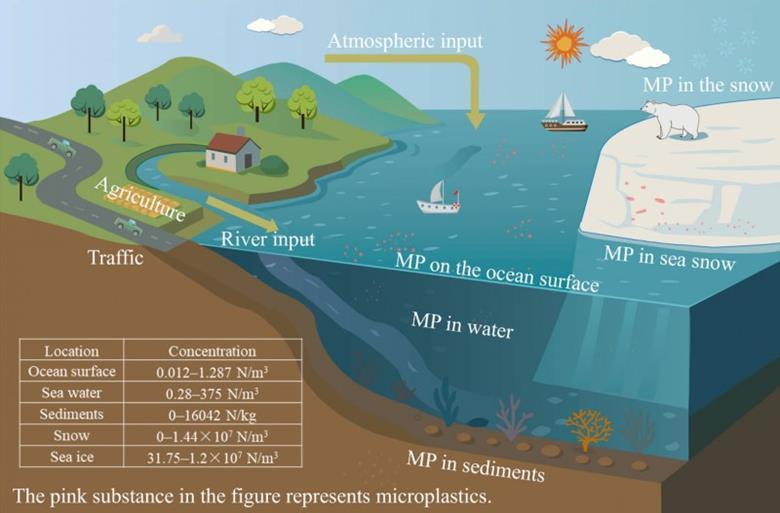
Microplastic Types
- Polyester Textile
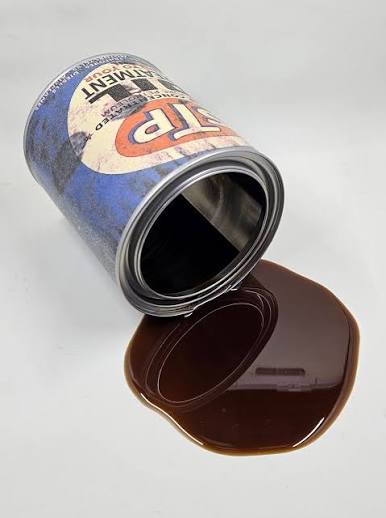
Polyester is a manufactured synthetic fiber made from petroleum-based chemicals.
The textile and fashion industry consumes roughly 342 million to 1.3 billion barrels of oil each year.
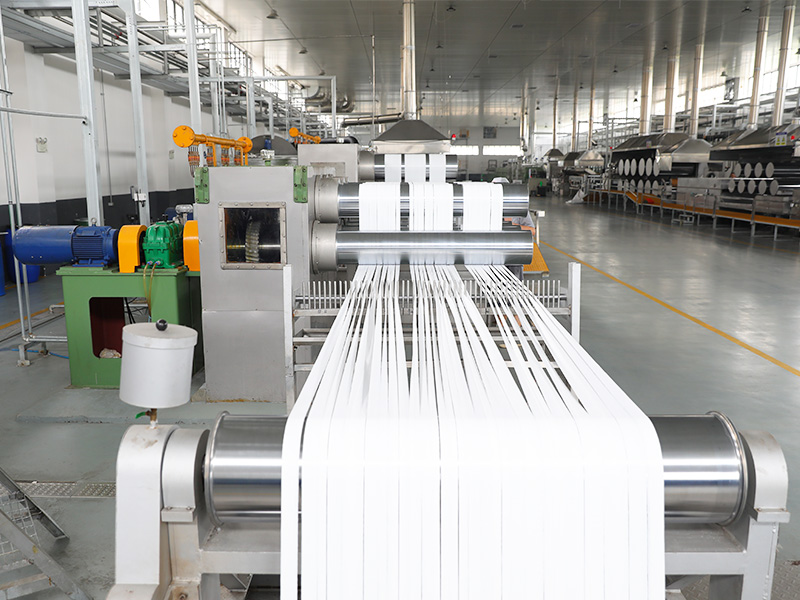
Polyester is the most produced and widely used textile fiber in the world, accounting for roughly 59% of global fiber production.
Key Facts About Polyester Production
Market Share: Polyester makes up about 78 million tonnes out of 132 million tonnes of total global fiber production.
Comparison to Cotton: Cotton is a distant second, making up about 19% (roughly 24.5 million tonnes) of global output.
Fossil Fuel Dependence: About 88% of polyester is derived from fossil-based materials (crude oil/petroleum).
Growth: Global production has doubled since the year 2000, largely driven by demand from fast fashion and sportswear.
Activewear & Sportswear: Moisture-wicking shirts, shorts, sports bras, and yoga pants. [
1,
2]
Outerwear: Raincoats, windbreakers, parkas, and winter jackets. [
1,
2,
3]
Everyday Clothing: Suits, shirts, trousers, dresses, skirts, and socks. [
1,
2,
3]
Swimwear: Quick-drying board shorts and bathing suits. [
1,
2]
Home Furnishings & Bedding
Linens & Towels: Microfiber cleaning cloths, bed sheets, curtains, drapes, and tablecloths. [
1,
2,
3]
Upholstery: Sofa and chair fabric, cushions, and furniture padding.
Over $183 million worth of clothing ends up in landfills each year.
Fibers & Fashion
98% of finished clothing. 73% of fibers used in clothing ends up either in landfills or an incinerator with only 12% recycled and today only 1% of the total recycled fiber is useable.
Main Pathways to Rivers
- Laundry Wash Microfiber Runoff
- Wastewater Treatment Runoff
- Industrial River Dumping
Washing Machine Shedding: Every time you wash polyester clothing (such as fleece, workout gear, or fast-fashion items), mechanical agitation and water cause the fabric to shed tiny plastic strands called microfibers. A single load of laundry can release anywhere from 100,000 to over 700,000 microfibers.[
1,
2,
3]
Bypassing Wastewater Treatment: These microfibers travel through household drainpipes into municipal wastewater treatment plants. Because polyester microfibers are microscopic (less than 5 mm), standard treatment facilities cannot filter all of them out. The remaining fibers are discharged directly into local rivers and lakes in treated effluent. [
1,
2,
3]
Sewage Sludge Spread on Land: The microfibers that are captured during wastewater treatment often settle into sewage sludge (biosolids). When this sludge is repurposed as fertilizer on agricultural fields, rain and surface runoff wash the plastic fibers into nearby streams and rivers. [
1,
2,
3]
Textile Manufacturing and Dyeing: Factories that produce, bleach, and dye synthetic fabrics dump wastewater containing raw microfibers, heavy metals, and toxic chemical dyes directly into industrial rivers. [
1]
Wear and Discarded Garments: Polyester sheds microfibers during normal daily wear, and discarded clothing in unlined landfills breaks down over time into particles that blow or wash into nearby water systems via storm runoff. [
1,
2,
3]
Action
Warrior Princess Foundation Action
Aġviq Foundation
Action
Testing & Analysis
- Testing & Comparison Studies
- Aquatic Environmental Testing
- Aquatic Life Toxin Testing
Textile Industry
Non Fossil Fuel Composition
- Textiles & Athletic Wear
- Merino Wool (Eliminates)
- Organic Cotton (Eliminates)
- Bamboo (Eliminates)
- Recycled Polyester (Reduces)
- Regulatory Measures
- Fossil Fuel Demand Cutoff (Eliminates)
- Industrial River Dumping Restriction (Eliminates)
- Textile Recycling (Reduces)
- Cost & Demand
- Resource Cost
- Resource Supply
- Production Process & Cost
- Consumer Demand
- Consumer Product
Water Treatment Facilities
Regulatory
- Filtering Update & Installation
- Runoff Control Measures
- Microfiber / Microplastic Testing
Machine Washing Industry
Regulatory
- Installed Water Filtration System
- ReUse Microplastic Filter